Which office permits a roof at your address?
Hillsborough County has four different permit offices for roof work, and the first thing that sorts out a roof job is which side of a city line the house is on. Tampa Roofing Guys takes roof repair, re-roof and storm damage calls from all over the county. The county has three cities that run their own building departments: Tampa, Temple Terrace and Plant City. Everything else is unincorporated, and there Hillsborough County Development Services issues the roof permit and does the inspections through its HillsGovHub portal.
A mailing address won’t tell you which one you’re in. Plenty of houses with a “Tampa” address are County jurisdiction, and nearly all of the 33567 Plant City ZIP lies outside the city.
| Where the house sits | Who permits the roof | Where to read more |
|---|---|---|
| Inside Tampa city limits | City of Tampa Construction Services | Roofing in the City of Tampa |
| Town ‘n’ Country, Carrollwood, Citrus Park, Lake Magdalene, Palm River (Tampa mailing addresses) | Hillsborough County | Further down this page |
| The Temple Terrace part of 33617 | City of Temple Terrace | Roof permit offices |
| Inside Plant City limits | City of Plant City | Plant City roofing |
| Plant City addresses outside the city | Hillsborough County | Plant City roofing |
| Brandon, Valrico, Seffner, Dover | Hillsborough County | Brandon, Valrico, Seffner, Dover |
| Riverview, Gibsonton, Apollo Beach, Ruskin, Sun City Center, Wimauma | Hillsborough County | Riverview, Gibsonton, Apollo Beach, Ruskin, Sun City Center, Wimauma |
| Thonotosassa, Balm | Hillsborough County | Further down this page |
If the house is near a city line, confirm it before comparing quotes. Fees, inspection steps and paperwork all follow the office, and roof permits in Tampa and Hillsborough County goes through each one. Two ZIPs across the Polk County line, 33811 in south Lakeland and 33860 around Mulberry, run under Polk or city rules instead.
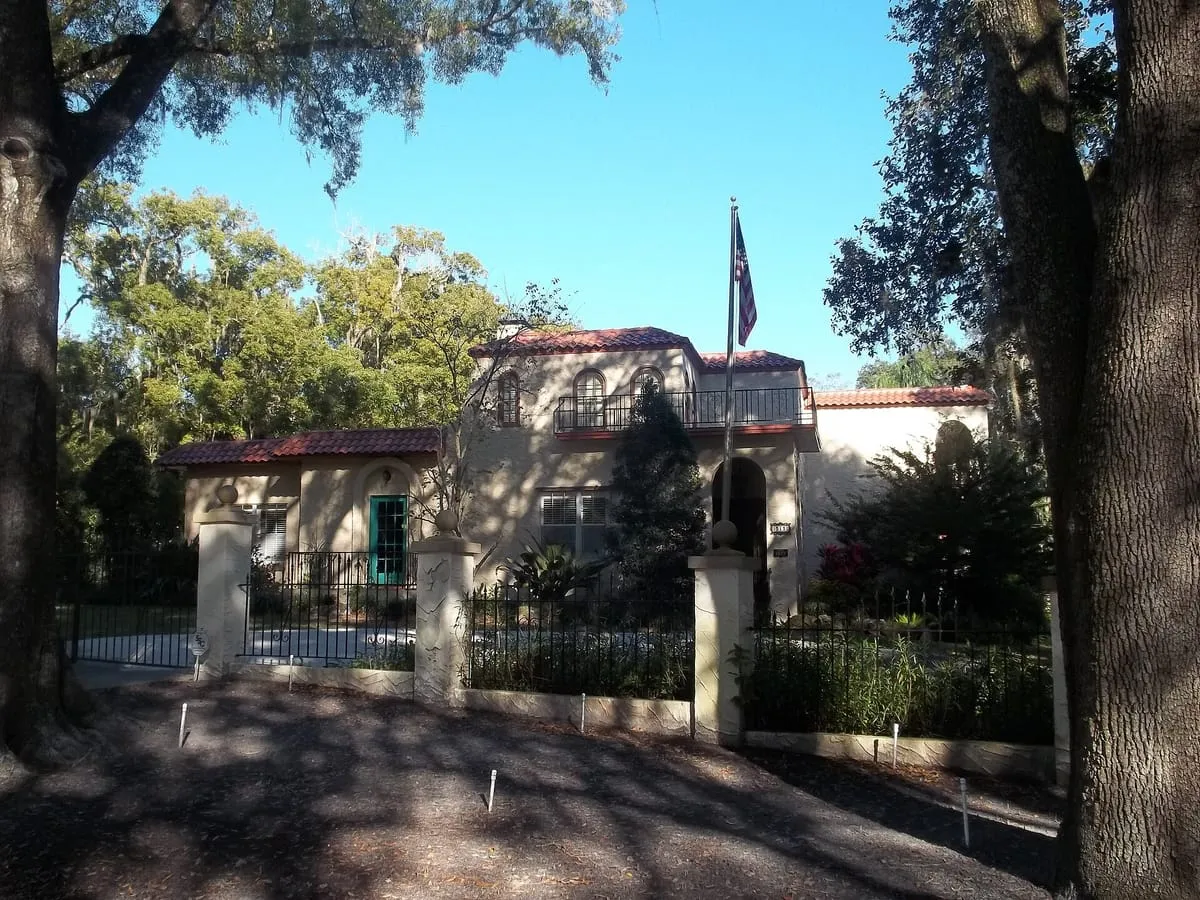 Temple Terrace is one of three cities in the county that permit and inspect their own roof work. Photo: Ebyabe, CC BY-SA 4.0.
What Milton and Helene did here in 2024
The two storms came about two weeks apart and did different kinds of damage, and that still matters when a roofer looks at a roof that has been patched since.
Helene made landfall far to the north in the Big Bend in late September. Gusts in the county peaked around 60 to 70 mph, with 68 mph near Tampa International Airport, so the wind was moderate. The water wasn’t. Surge ran 5 to 7 feet above ground around Tampa Bay, and the East Bay gauge hit a record 7.2 feet above the average high-tide line. Along the bay, the worst losses were flooded homes, not torn-off roofs.
Milton, on October 9, was the wind and rain storm. The National Weather Service put peak gusts across the county at 80 to 100 mph, topping out at 93 mph near Tampa International in its county summary. Most of the county got 10 to 15 inches of rain, with 5 to 10 in the southeast, and the airport logged 11.43 inches in one day, its second-highest total on record. The Hillsborough River crested at 38.16 feet at Morris Bridge, beating the 34.66 feet it reached during Irma in 2017. Milton’s surge in the bay stayed at 1 to 2 feet because the wind blew offshore, and the weather service lists no confirmed tornado in Hillsborough.
For a roof today, that history means two things. NRCA, the roofing contractors’ trade association, recommends an inspection for any roof that went through severe weather, however it looks from the ground. And if a roofer finds storm damage now, ask for dated photos and a written report that separates it from ordinary age wear. Storm damage roof repair shows what wind damage looks like up close. If you’re only now finding damage from 2024, check the claim notice deadlines with your agent first, because Florida’s are short.
How old the houses are, and why the roof’s date matters more
Half the homes in Hillsborough County date to 1991 or earlier, the county’s median year built. About 30% went up before 1980 and roughly one in ten before 1960, while 37.5% date from 2000 or later. By place, the medians run more than 30 years apart:
| Place | Median year built |
|---|---|
| City of Tampa | 1985 |
| Plant City, Seffner, Thonotosassa | 1989 |
| Brandon | 1993 |
| Valrico | 1996 |
| Sun City Center | 1997 |
| Gibsonton | 2002 |
| Riverview | 2006 |
| Ruskin | 2007 |
| Apollo Beach | 2010 |
| Balm | 2014 |
| Wimauma | 2016 |
The house’s age decides one thing on a re-roof. A house first permitted before the Florida Building Code gets its roof deck re-nailed to a tighter schedule and a secondary water barrier added when the old covering comes off, which is spelled out in what a full roof replacement includes.
The roof’s own date decides more. A roof installed under a code older than the 2007 Florida Building Code still falls under the rule that replacing more than a quarter of it within 12 months means bringing the whole roof, or that whole section, up to current code. Roofs put on under the 2007 code or later only need the repaired part to meet code. The 25% rule explains where the line falls. So the question a roofer asks first is when the roof was last fully replaced, and the County’s permit records usually answer it.
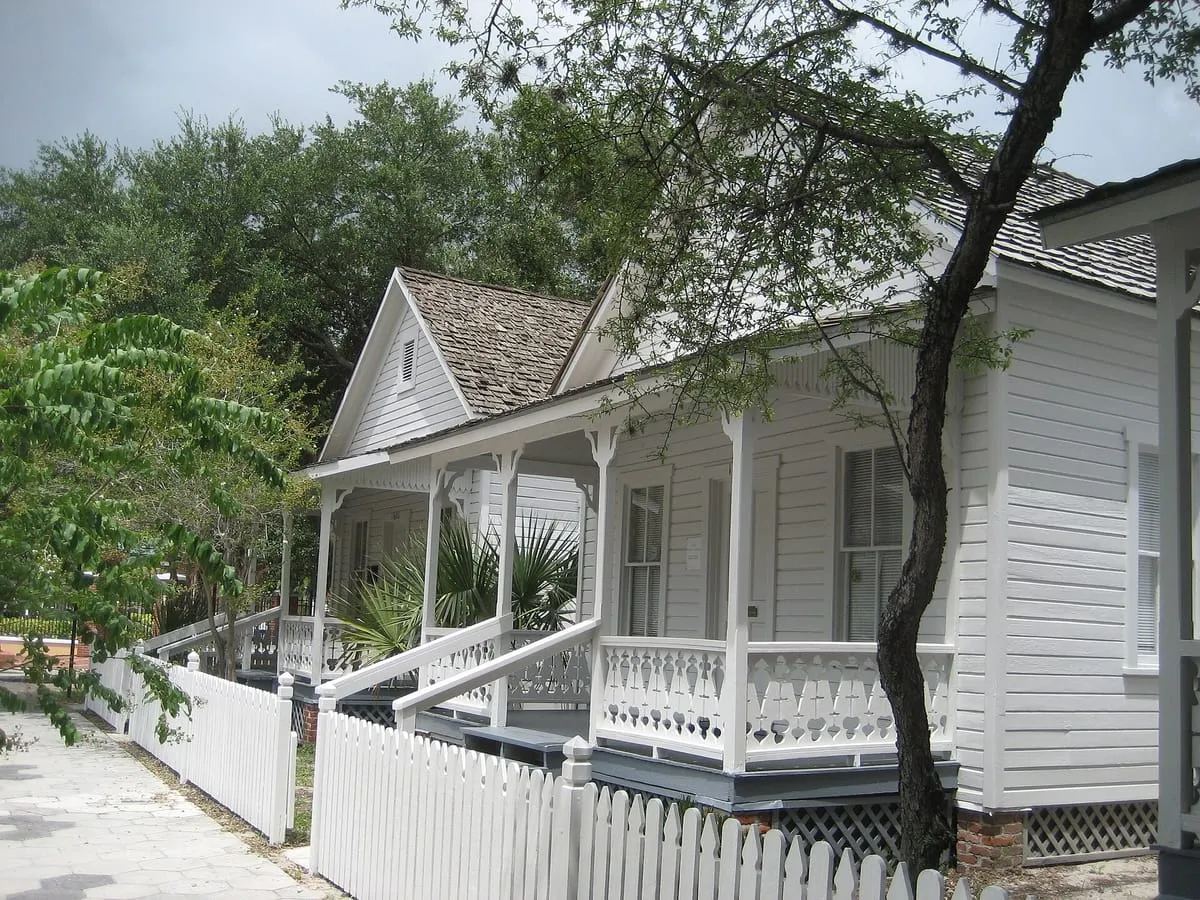 Houses built long before the Florida Building Code, like these Ybor City cigar workers’ cottages, get deck re-nailing on a re-roof. Photo: Infrogmation of New Orleans, CC BY-SA 3.0.
The evacuation zones moved for 2026
For the 2026 season the County redrew its evacuation zones from new NOAA storm surge data. Zone A grew along the coast and pushed inland along the Alafia River, taking in more of Apollo Beach and Town ‘n’ Country. A new Zone E now covers inland Apollo Beach south of Big Bend Road, parts of New Tampa and the area around Tampa Executive Airport. Every mobile and manufactured home in the county, about 40,800 of them by the latest Census estimate, evacuates with Zone A no matter where it sits.
If your zone changed, plan the roof side of the storm as if you won’t be home for it. Photograph every roof slope from the ground, plus the ceilings and the attic around vents and the chimney, so you have a dated picture of how things looked before. If a roofer has an open job on the house when a storm is forecast, ask how the deck will be dried in and secured before you leave.
Covered places without a page of their own
Thonotosassa (33592). Unincorporated, so roof permits go through the County. Close to two in five homes in the Thonotosassa CDP are mobile or manufactured homes, 39.2%, and the share is 42.2% across the ZIP. Those roofs are a different job from a site-built house; the Valrico page covers what to tell a roofer about one. Milton dropped 13.62 inches at a gauge 3 miles north of Thonotosassa.
Balm (33503 and around it). The Balm CDP is newer than the name suggests: median year built 2014, with 69.3% of homes built from 2010 to 2019. About 93% of its land lies in the 33598 ZIP, so most Balm homes are recent builds whose roofs raise the builder-warranty questions covered on the Wimauma page. The 33503 ZIP itself is a small, older pocket, with a median build year of 1966.
Tampa addresses under County permits. Town ‘n’ Country (33615 and most of 33634), Carrollwood and Northdale (33618 and 33624), Citrus Park (33625), Lake Magdalene (most of 33613 and part of 33618) and Palm River-Clair Mel (part of 33619) all carry Tampa mailing addresses but sit outside the city. The roofer pulls a County permit for these, and the County inspects. Town ‘n’ Country is also one of the areas where Zone A grew for 2026.