What a roof certification does for your insurance
A roof certification letter for insurance is a signed inspection report on the roof’s age, condition and remaining useful life. In Florida it matters most on roofs 15 years and older: if the report shows at least five years of life left, the insurer can’t refuse or non-renew your policy because of the roof’s age alone.
Tampa Roofing Guys gets Hillsborough County homeowners a licensed roofer for these inspections when a renewal notice, an underwriting letter or Citizens asks about the roof. The exact words in that letter matter, because a roof certification, a 4-point and a wind mitigation report are different documents, with different people allowed to sign them.
This page explains the Florida rules in general. It doesn’t tell you what your insurer will decide. Your agent or underwriter is the one to ask about your policy.
The 15-year rule and the five-years-left test
Florida’s homeowners statute, section 627.7011(5), sets the rule for roof age:
- Under 15 years old: the insurer can’t refuse to write or renew your policy solely because of the roof’s age.
- 15 years or older: before requiring a new roof, the insurer has to let you get an inspection by an authorized inspector, at your expense. If it shows five or more years of useful life left, the insurer can’t refuse or non-renew solely because of age.
- How age is counted: from the last date 100% of the roof surface was built or replaced to code. A patch doesn’t reset it. Partial re-roofs count only once together they’ve covered the whole surface, and then the clock runs from the first of them.
- Which policies: homeowners’ policies issued or renewed on or after July 1, 2022. Mobile home policies fall outside this section of the law. A 2026 bill to change the rule died in March, so it stands as written.
An example: shingles put on in 2009 are 17 years old in 2026. The insurer can ask about them, and a report showing six more years of useful life keeps age, by itself, from being the reason for a non-renewal.
The protection covers age alone. An insurer can still act on the roof’s condition, so a report that notes active leaks, soft decking or storm damage won’t help much. That’s why some roofs need a repair before the inspection rather than after.
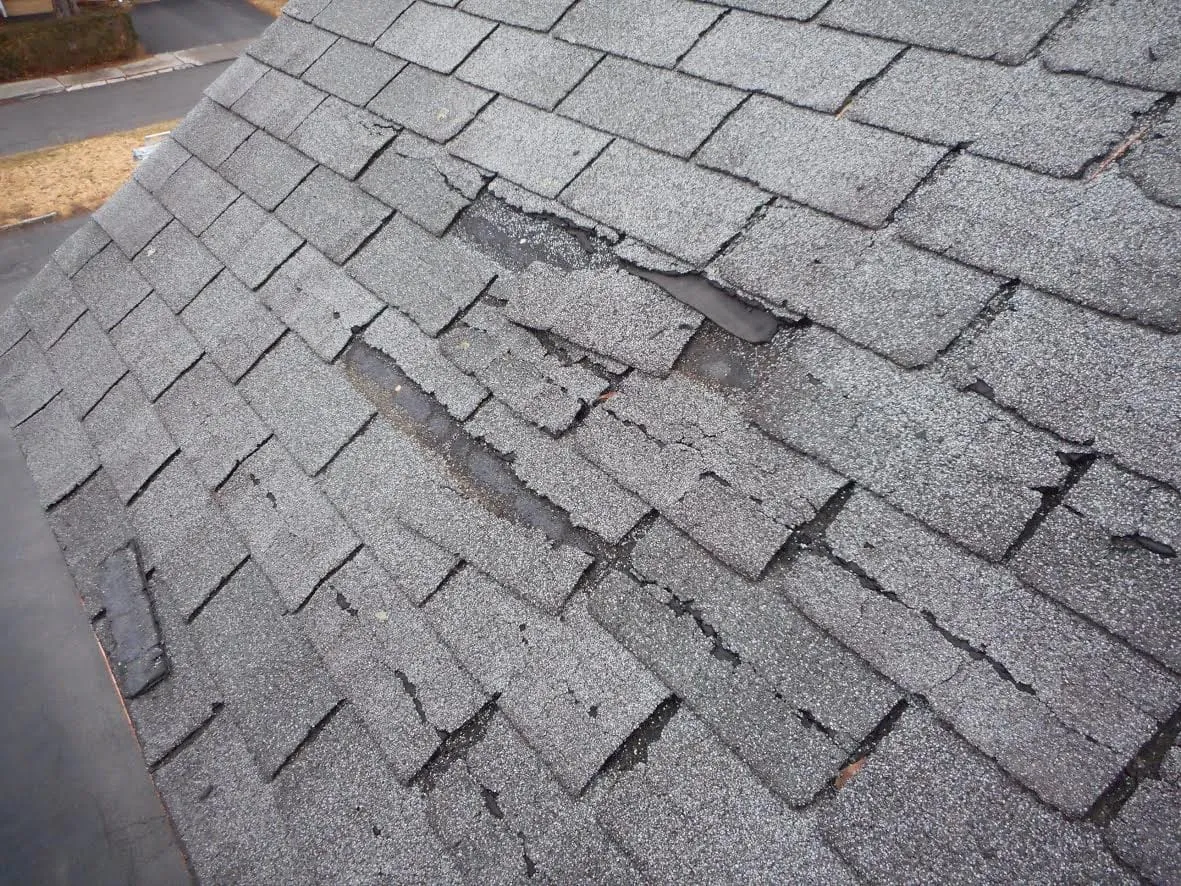 Cracked and torn shingles are a condition problem, and the age rule doesn’t protect against those. Photo: Sandul1234, CC BY-SA 4.0.
Citizens’ roof rules and the Roof Inspection Form
Citizens Property Insurance adds its own roof rules on top of the statute. (Its 4-point inspection, which older homes need, is covered with the other roof inspection types.) For the roof, Citizens draws two lines by material:
| Roof covering | Citizens wants proof of at least five years of remaining life once the roof is older than |
|---|---|
| Shingle and other soft coverings | 25 years |
| Tile, slate, clay, concrete or metal | 50 years |
If an inspection finds less than five years left, Citizens asks for proof that the whole roof has been replaced before it writes the policy.
That proof goes on Citizens’ Roof Inspection Form (sample form RCF-1, revision 03/25). Citizens says the sample itself isn’t required, but any other report has to carry at least the same detail. The roof section of a 4-point, with photos of each slope, can stand in for it.
Is the letter asking for a roof certification at all?
Match the wording in the letter before you book anyone. A letter that says roof certification, roof inspection, or proof of remaining useful life wants a roof-only report on age, condition and years left. One that asks for a 4-point or a wind mitigation report wants a different inspection with its own list of signers.
If the letter names a specific form, use that one. If it only says “roof certification”, call the agent and ask which form the insurer accepts. A private insurer may have its own, and Citizens has the Roof Inspection Form.
Who signs it, and why that choice matters
Two lists apply. Citizens’ Roof Inspection Form can be signed by a general, residential, building or roofing contractor, a building code inspector, or a Florida-licensed home inspector. For the statute’s roof-age inspection, the inspector has to be approved by the insurer and be a licensed home inspector, a building code inspector, a general, building, residential or roofing contractor, an engineer, an architect, or someone else the insurer recognizes as qualified. Either way, a licensed roofer can sign.
A roofer who could also sell you the replacement has a stake in the answer, though. Ask for the remaining-life number in writing, with photos of every slope and notes on what drove it. If the number looks low, get a second opinion from a home inspector or another roofer before you sign a re-roof contract. Our page on questions to ask before you sign covers the contract side.
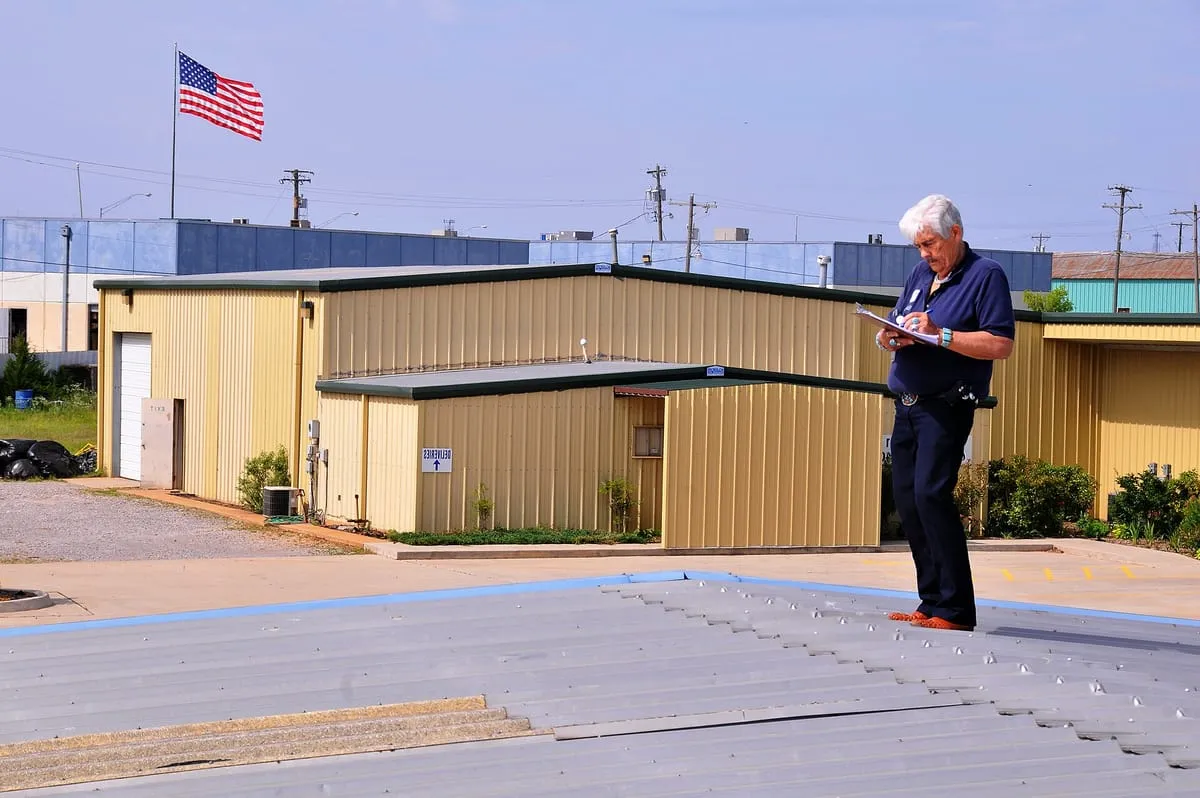 Whoever signs the report should put notes and photos behind the remaining-life number, slope by slope. Photo: Win Henderson, FEMA, public domain.
What gets looked at, and what to pull together
The Citizens form gives a fair picture of what any roof certification covers. It records:
- the roof covering material and the roof’s age
- remaining useful life, in years
- the date of the last roof permit, and whether that job was a full or partial replacement
- overall condition and signs of damage: cracking, curling, granule loss, soft decking, hail marks
- any leaks, inside or out
- photos of every slope
The form says plainly that it doesn’t verify wind mitigation features. That’s a separate inspection.
The permit date carries the most weight, because roof age runs from the last full replacement. If you don’t have it, look up past roof permits for the address before the inspection. Clear a path to the attic hatch too, since stains on the underside of the decking are part of the leak check.
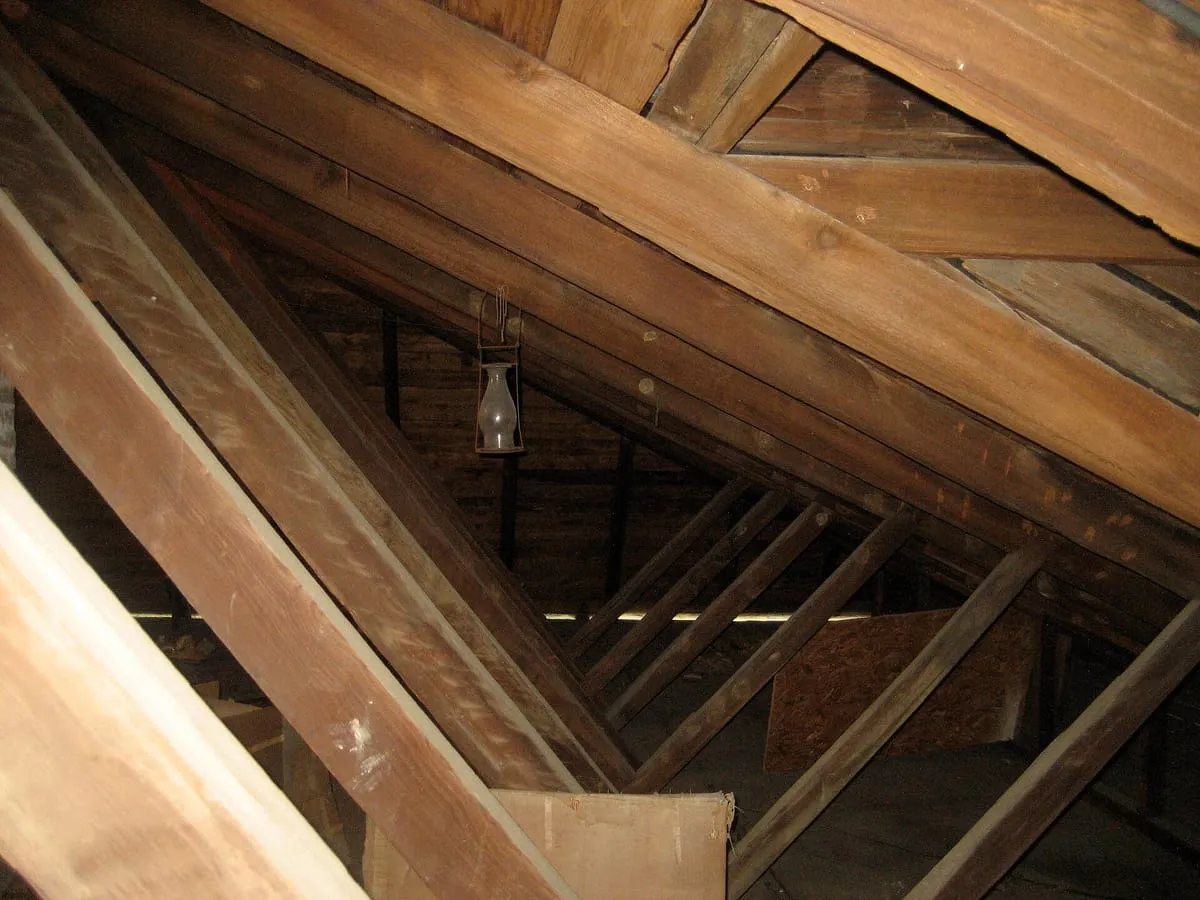 Stains on the underside of the decking, seen from the attic, are part of the leak check. Photo: Infrogmation of New Orleans, CC BY 2.0.
If the roof doesn’t pass
A failed certification isn’t always a new roof. It depends on what’s wrong.
Repair, then re-inspect. When the report points to specific problems on an otherwise sound roof, such as lifted shingles, a cracked pipe boot or worn flashing at a wall, fix those and have the roof looked at again. Big repairs on an older roof can trigger the 25% rule, so ask the roofer about that before the job is priced.
Replace. When there’s less than five years left, or the decking is soft across large areas, a repair won’t change the number. A full re-roof to code resets the roof’s age. After a roof replacement, a new wind mitigation inspection is worth getting, since insurers use that form to set wind discounts.
Either way, ask your agent how long you have before the renewal date to send in a new report, and get that date in writing.