What the VA appraiser checks on the roof
A VA appraiser doesn’t certify the roof. They check it against VA’s Minimum Property Requirements, which say the roof covering must keep moisture out and provide reasonable future utility, durability and economy of maintenance. A roof that falls short shows up as a repair item on the appraisal, and the lender decides what it takes to clear it.
Tampa Roofing Guys gets buyers and sellers in Tampa and across Hillsborough County a licensed roofer when a VA appraisal flags the roof. What helps most is a repair, and a write-up of it, that answers the appraiser’s wording directly instead of describing the roof in general terms.
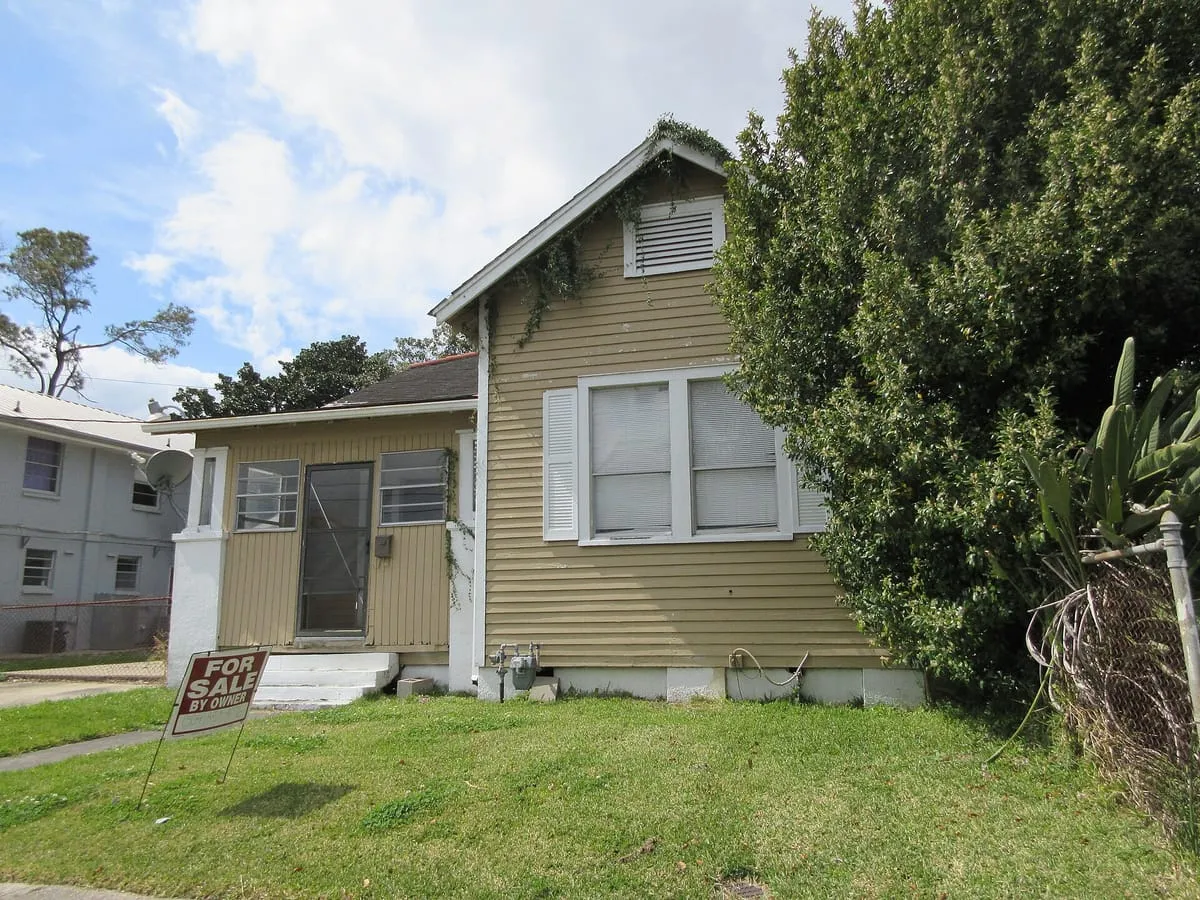 On a VA loan, the appraiser checks the roof of a house like this against VA’s minimum property requirements. Photo: Infrogmation of New Orleans, CC BY-SA 4.0.
What VA’s roof rule says, and what it leaves out
VA’s property standards live in chapter 12 of its Lenders Handbook (VA Pamphlet 26-7), where Roof Covering is its own topic. Federal rule 38 CFR 36.4351 ties a loan’s eligibility for the VA guaranty to the property meeting those standards. VA’s own MPR checklist puts the roof requirement in two lines: the roof covering must prevent entrance of moisture, and it must provide reasonable future utility, durability and economy of maintenance.
That checklist wording doesn’t set:
- a roof age limit
- a minimum number of years of remaining life
- a limit on the number of shingle layers
Specific numbers turn up all over the internet. If someone quotes you one, ask the lender to show you where it comes from. The wording VA publishes asks whether the roof keeps water out now and will keep doing it for a reasonable time without constant repair.
In practice that wording reaches things like missing or broken roofing, signs of an active leak inside, or a covering so worn it can’t be expected to last. If your lender quotes you a more specific standard, ask for the exact condition wording in writing, because that’s what the fix has to answer.
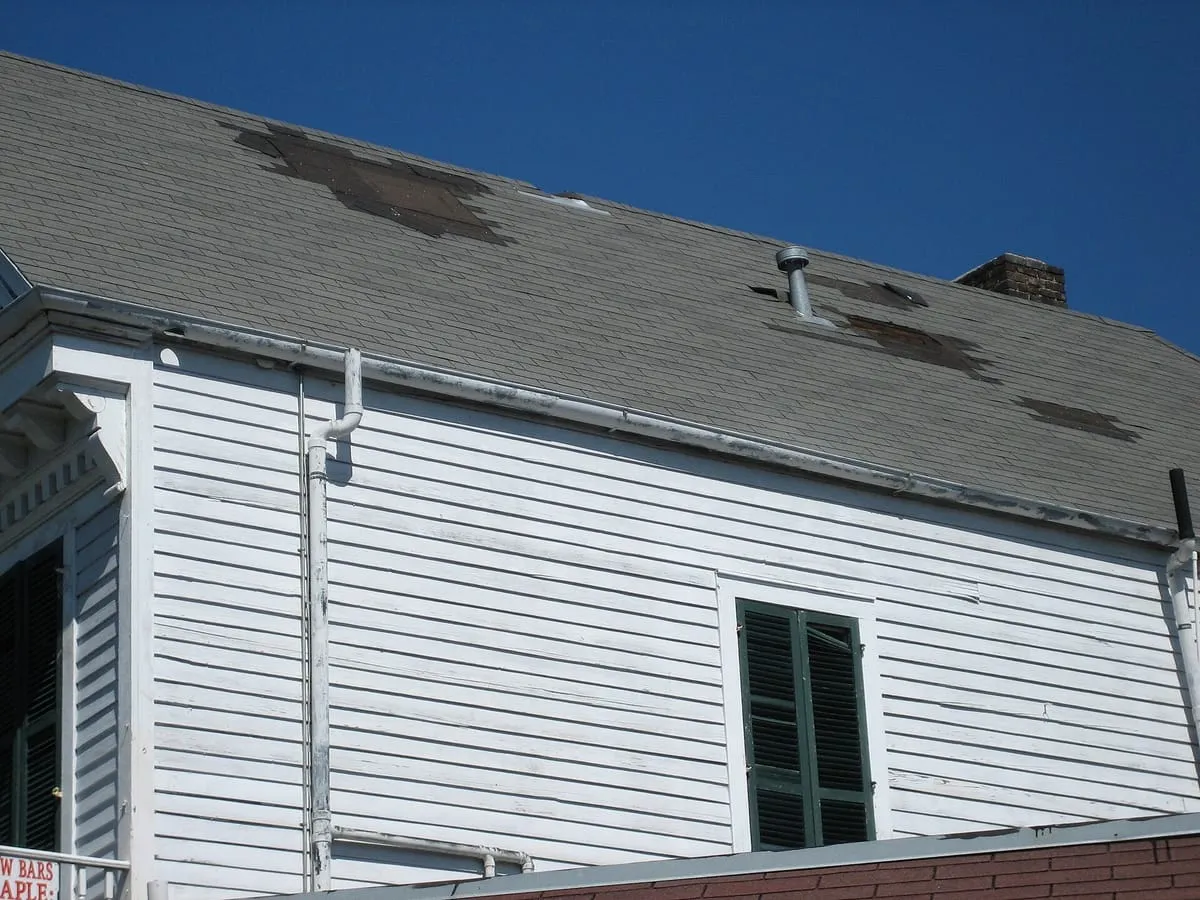 Missing or broken roofing is the kind of condition that lands on the repair list. Photo: Infrogmation, CC BY-SA 2.5.
How a roof problem shows up on the Notice of Value
When the appraisal is complete, you get a Notice of Value (NOV). According to VA’s buyer’s guide, it lists the estimated value, comparable sales, the floor layout, photographs, and a list of items requiring repair to meet the minimum property requirements. A roof condition lands on that list.
Read the roof item carefully. A condition asking for a leak to be fixed calls for a different job, and different paperwork, than one asking a roofer to inspect the roof and state its remaining life. If the item is vague, ask the lender what will satisfy it before anyone gets a ladder out.
Clearing the roof item before closing
Who pays. VA’s buyer’s guide treats needed repairs as something buyer and seller can negotiate. The seller might repair or replace, lower the price, or offer other concessions. Put whatever you agree to in writing through your agents, and ask the lender whether there are limits on who can pay for repairs on your loan.
What clears it. This varies by lender and by the condition, so ask the lender, in writing, what they’ll accept: a roofer’s invoice, a signed statement from the roofer, photos, the appraiser coming back to look, or some mix. Getting that answer before the work starts saves a second trip.
Permits and timing. A re-roof needs a building permit, and some repairs do too, depending on who issues permits for the address and how big the job is. See roof permits in Tampa and Hillsborough County for the offices and the thresholds. If a permit is pulled, the final inspection is part of what proves the work was done, so build that into the closing date.
What the roofer’s write-up should say
A useful write-up has:
- the appraiser’s condition, quoted word for word from the NOV
- what was done: repair or full replacement, the materials, and the area of roof involved
- the property address and the dates of the work
- a plain statement on the roof covering’s condition now, including whether it keeps water out, plus an estimate of remaining useful life in years if the lender asks for one
- before and after photos of each slope
- the roofer’s name, company and license number, which the lender or buyer can verify on the state license site
- the permit number and final inspection date, when there was a permit
If part of the roof can’t be walked or seen well, as with some tile and low-slope sections, ask the roofer to say how each part was checked: from a ladder, from the attic, or on the roof.
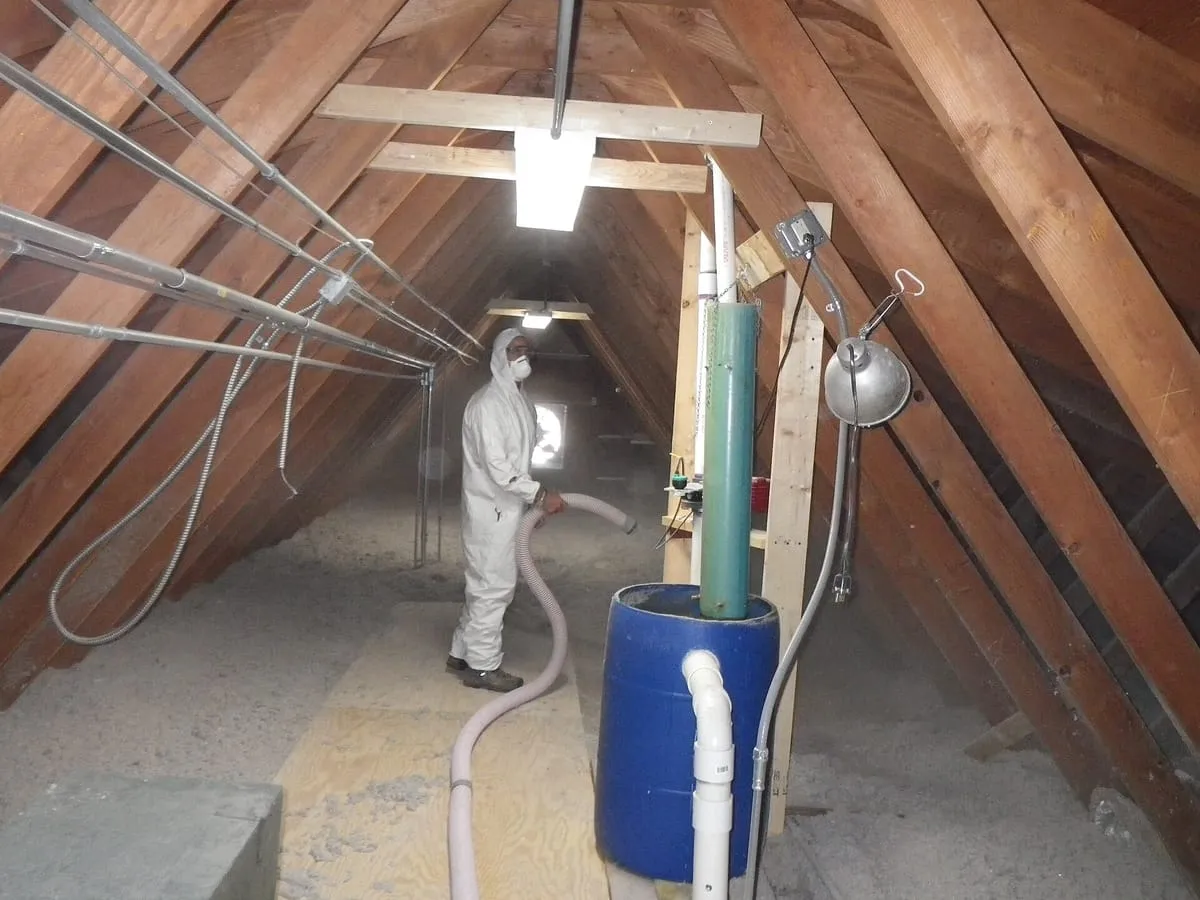 Where part of a roof can’t be walked, the attic is one place a roofer can check it from. Photo: Rob Holm, USFWS, public domain.
FHA’s roof rule, for comparison
FHA loans run on HUD Handbook 4000.1, and its roof wording goes further than VA’s. HUD’s handbook tells the appraiser to flag a roof covering that doesn’t keep moisture out, doesn’t provide reasonable future utility, durability and economy of maintenance, or doesn’t have at least two years of remaining physical life. With less than two years left, the appraisal is made subject to inspection by a professional roofer. If the appraiser can’t see the roof, they have to say why and report what the underside, the attic and the ceilings show.
That two-year line may not last. A September 2026 HUD draft that rewrites FHA’s property requirements keeps the moisture test and drops the remaining-life language. It’s a draft, not the rule, so on an FHA loan ask the lender which version the appraiser is working from.
| VA | FHA | |
|---|---|---|
| Keeps moisture out | Required | Required |
| Remaining life | No number in the MPR wording | At least two years (draft would drop it) |
| What a short roof triggers | A repair item on the Notice of Value | Appraisal subject to a professional roofer’s inspection |
| Roof can’t be seen | Ask the lender how it’s handled | Appraiser reports on the underside, attic and ceilings |
The Florida roof check that comes after the appraisal
Passing the appraisal isn’t the last time the roof gets judged. VA’s buyer’s guide notes that homeowners insurance is required for every mortgage, and in Florida the insurer has its own roof questions: how old it is, how much life it has left, and on older homes, a 4-point inspection. An older roof that satisfies the appraiser can still hold up a policy. The forms and age rules are laid out on the roof certification for insurance page, and it’s worth getting a quote on the policy early, before the appraisal comes back.